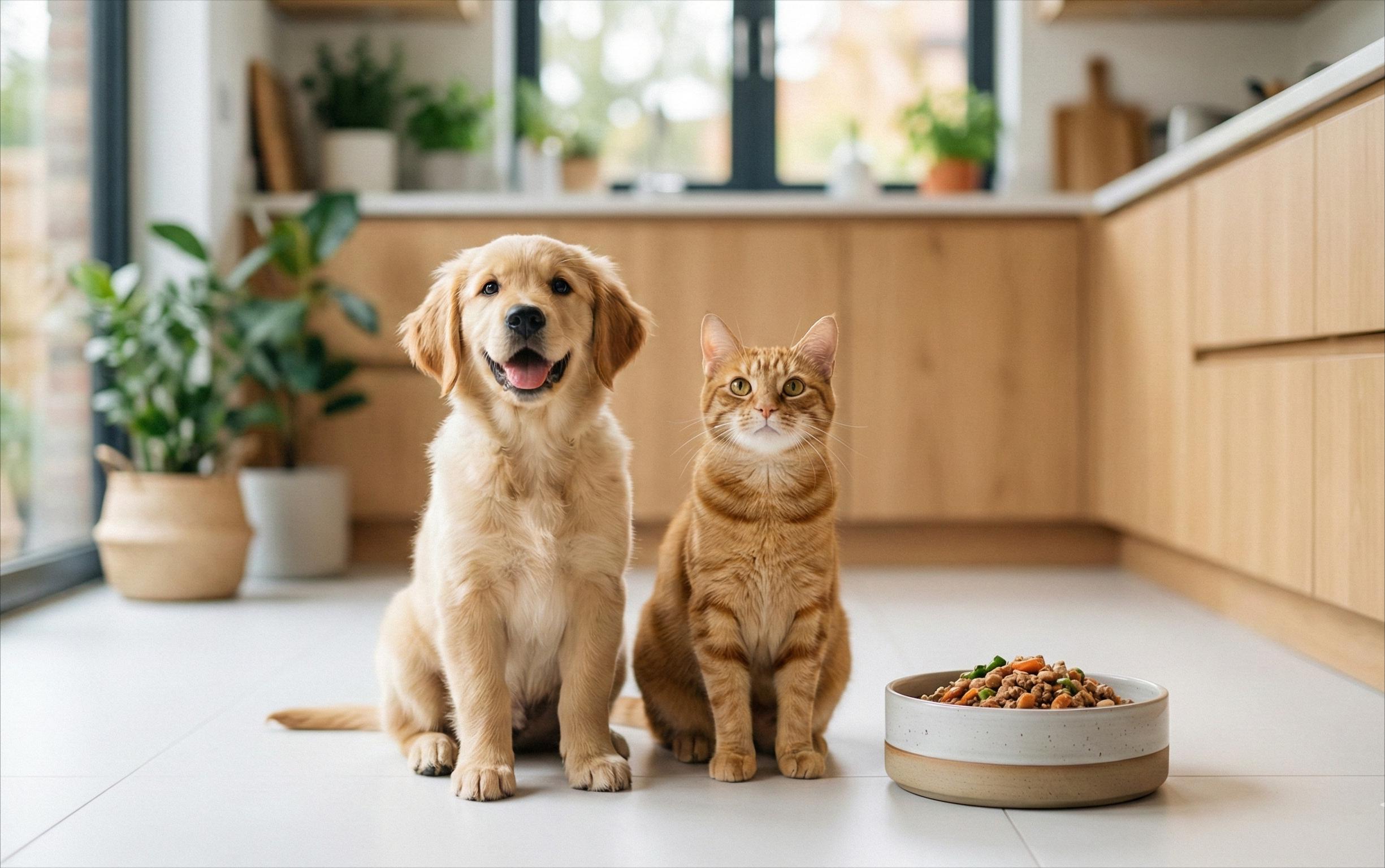

If your dog's ribs are poking through or your cat feels like skin and bones when you pick them up, you're not alone. Thousands of pet parents search for answers every single day because their furry friend just won't put on weight — no matter how much food they put in the bowl.
I get it. It's stressful. You start wondering if something is seriously wrong, if you're feeding the wrong food, or if there's a supplement out there that actually does what it claims.
The good news? Helping an underweight dog or cat gain weight safely is absolutely possible when you combine the right feeding strategy with a quality high-calorie supplement. And in this guide, I'm going to walk you through everything — step by step — so you can stop worrying and start seeing real results.
Why Is My Dog or Cat Underweight?
Before you change anything about your pet's diet, you need to figure out why they're underweight in the first place. Here are the most common reasons:
- Medical conditions — Parasites, thyroid issues, diabetes, kidney disease, or dental problems can all cause weight loss. A vet visit should always be your first move.
- Picky eating — Some pets are just fussy. They'll sniff the bowl, take a nibble, and walk away. Sound familiar?
- High metabolism — Certain breeds (think Greyhounds, Whippets, and Siamese cats) naturally burn calories faster than others.
- Recovery from illness or surgery — Pets bouncing back from a health scare often lose their appetite and drop weight fast.
- Age-related changes — Senior dogs and cats frequently lose muscle mass and body weight as they age, even when they're still eating.
- Stress or anxiety — A new home, a new baby, fireworks season — stress kills appetite in pets just like it does in people.
Pro tip: Ask your vet to do a body condition score (BCS). This is a simple 1-to-9 scale that tells you exactly where your pet falls — from emaciated to obese. Most healthy pets should sit between a 4 and a 5.
Step 1: Rule Out Medical Issues First
I can't stress this enough — see your veterinarian before trying any supplements or diet changes. A quick blood panel, fecal test, and physical exam can catch problems that no amount of food will fix on its own.
Common conditions your vet will screen for:
- Intestinal parasites (worms)
- Exocrine pancreatic insufficiency (EPI)
- Inflammatory bowel disease (IBD)
- Dental disease making it painful to eat
- Hyperthyroidism (especially in cats)
- Cancer or chronic infections
Once your vet gives the all-clear — or starts treatment for any underlying issue — you can layer in the nutrition strategies below.
Step 2: Switch to a Calorie-Dense, High-Quality Food
Not all pet food is created equal. If your underweight dog or cat is eating a budget kibble with corn filler as the first ingredient, switching to a nutrient-dense formula can make a world of difference.
What to look for on the label:
- Real meat (chicken, beef, lamb, salmon) as the first ingredient
- Minimum 25–30% protein for dogs, 30–40% for cats
- Healthy fats from named sources (chicken fat, salmon oil, flaxseed)
- No artificial colors, flavors, or unnamed "meat by-products"
- Added probiotics for gut health and better nutrient absorption
Quick comparison — regular vs. calorie-dense food:
| Feature | Regular Kibble | High-Calorie Formula |
|---|---|---|
| Calories per cup | 300–350 kcal | 450–500+ kcal |
| Protein | 18–22% | 28–35% |
| Fat content | 8–12% | 15–20% |
| Best for | Maintenance | Weight gain & recovery |
If you have a puppy or a nursing mother, look for formulas specifically labelled "all life stages" or "growth" — these naturally pack more calories per serving.
Step 3: Feed Smaller Meals More Often
Here's a mistake I see pet owners make all the time: they dump a huge portion in the bowl hoping their pet will eat more. But for underweight animals, this usually backfires. A massive pile of food can actually overwhelm a pet with a poor appetite.
Instead, try this schedule:
- Dogs: 3–4 smaller meals spaced throughout the day
- Cats: 4–5 small meals, or leave a measured amount of calorie-dense dry food out for grazing
- Puppies and kittens: Feed every 4–6 hours to support their fast metabolism
Warming up wet food for 10–15 seconds in the microwave (stir well, check temperature!) releases more aroma and makes meals far more appealing to picky eaters.
Step 4: Add Healthy Calorie Boosters to Meals
Sometimes your pet needs a calorie boost on top of their regular food. Here are some safe, vet-approved toppers you can mix into meals:
- Scrambled eggs (plain, no butter or seasoning) — packed with protein and healthy fats
- Cooked sweet potato — gentle on the stomach, adds complex carbs
- Plain pumpkin puree (not pie filling!) — supports digestion and adds fiber
- A drizzle of salmon oil or fish oil — omega-3s support skin, coat, joints, and immune health
- Full-fat cottage cheese — extra protein and calcium in a palatable form
- Unseasoned boiled chicken — lean protein that almost every dog and cat loves
Warning: Avoid feeding grapes, onions, garlic, xylitol (artificial sweetener), chocolate, or macadamia nuts. These are toxic to pets.
Step 5: Use a High-Calorie Weight Gain Supplement
This is where the real game-changer comes in. Diet adjustments are crucial, but if your pet is significantly underweight, recovering from surgery, a senior losing muscle mass, or a puppy that's falling behind on growth milestones — a dedicated high-calorie supplement can bridge the gap fast.
And after testing several options, the one I keep coming back to is Miracle Vet High-Calorie Weight Gainer for Dogs & Cats.
Why We Recommend Miracle Vet High-Calorie Weight Gainer
I'll be honest — I was skeptical at first. There are a lot of pet supplements out there that promise the world and deliver nothing but expensive pee. But Miracle Vet is different, and here's why:
What makes it stand out:
- 2,400 calories per bottle — That's 150 kcal per ounce. For perspective, that's roughly the calorie density of peanut butter. A little goes a very long way.
- 29 essential vitamins and minerals — It's not just empty calories. Every serving delivers a complete spectrum of nutrients including Vitamin A, D3, E, B-complex, calcium, phosphorus, zinc, and iron.
- Omega fish oil as the primary ingredient — This means you're also supporting skin and coat health, joint mobility, brain function, and immune response with every dose.
- Works for dogs AND cats — One product for your entire furry family. Puppies, adult dogs, senior dogs, kittens, adult cats — all covered.
- Vet-reviewed formula — Designed for multiple use cases: weight gain, prenatal nutrition, post-surgery recovery, senior supplementation, and daily multivitamin support.
- Easy to administer — It's a gel/liquid consistency that you can mix into wet food, drizzle over kibble, or even give directly by mouth with a syringe for pets that refuse to eat.
Real results pet owners are seeing:
Pet parents consistently report visible weight gain within 2–3 weeks, shinier coats, more energy at playtime, and improved appetite. One reviewer mentioned it was the only thing that got their senior Chihuahua eating again after she had completely stopped. Another said their rescue dog — who was severely underweight at adoption — finally hit a healthy weight after just one bottle.
Who it's best for:
- Underweight dogs and cats that need to gain weight
- Puppies and kittens falling behind on growth curves
- Senior pets losing muscle mass and body condition
- Pets recovering from illness, surgery, or trauma
- Nursing or pregnant dogs and cats needing extra nutrition
- Picky eaters who won't eat enough on their own
How to Use Miracle Vet for Best Results
Getting the dosage right matters. Here's a simple guide:
| Pet Size | Daily Serving | Method |
|---|---|---|
| Small dogs / cats (under 10 lbs) | 1–2 teaspoons | Mix into wet food |
| Medium dogs (10–50 lbs) | 1–2 tablespoons | Drizzle over kibble or wet food |
| Large dogs (50+ lbs) | 2–3 tablespoons | Mix into meals or give by mouth |
| Puppies / kittens | 1 teaspoon | Mix with formula or wet food |
Tips for maximum effectiveness:
- Start slow — Introduce the supplement gradually over 3–5 days to avoid stomach upset.
- Be consistent — Give it at the same time every day, ideally split between meals.
- Pair it with high-quality food — The supplement works best alongside a nutrient-dense diet, not as a replacement for proper meals.
- Weigh your pet weekly — Track progress. You should see gradual, healthy weight gain of 1–2% body weight per week.
- Keep it refrigerated after opening — Follow storage directions on the label to maintain freshness.
Step 6: Don't Skip Exercise
This sounds counterintuitive when you're trying to help your pet gain weight, but moderate exercise is actually essential. Here's why:
- Builds lean muscle mass — You want your pet gaining healthy weight, not just fat.
- Stimulates appetite — A short walk or play session before mealtime can make a picky eater much more interested in food.
- Supports metabolism — Regular movement keeps the digestive system running smoothly.
For underweight dogs, aim for 15–20 minutes of gentle walking twice a day. For cats, interactive toys and laser pointers for 10–15 minutes keep them moving without overdoing it.
Step 7: Monitor Progress and Adjust
Helping your pet gain weight is a marathon, not a sprint. Healthy weight gain takes time — usually 4 to 8 weeks to see significant changes when combining proper nutrition with a high-calorie supplement.
Weekly checklist:
- Weigh your pet on the same scale, same time of day
- Note any changes in energy, coat quality, or appetite
- Adjust food portions up slightly if weight plateaus
- Check in with your vet every 2–4 weeks during the gaining phase
If your pet isn't gaining after 3 weeks of consistent effort, go back to your vet. There may be an underlying condition that needs different treatment.
Frequently Asked Questions
Can I use Miracle Vet for puppies?
Yes! Miracle Vet is formulated to be safe for pets of all ages, including puppies and kittens. Start with a smaller dose (1 teaspoon) and increase gradually. It's actually great for puppies that are falling behind on growth milestones or underweight rescue pups that need to catch up.
Does this supplement help with joint health?
Absolutely. The omega fish oil base provides EPA and DHA fatty acids, which are well-documented to support joint health, reduce inflammation, and improve mobility — especially beneficial for senior dogs and large breeds prone to hip and joint issues.
Is it easy to mix into food?
Very. The gel/liquid consistency mixes seamlessly into wet food and drizzles easily over dry kibble. Most pets don't even notice it's there. For extremely picky pets, you can use a feeding syringe to give it directly (many pet parents do this with cats who eat around supplements).
How long does one bottle last?
At 16 ounces per bottle and dosages of 1–3 tablespoons per day depending on pet size, a single bottle typically lasts 2–4 weeks for most dogs and 4–6 weeks for cats.
Is it safe for cats too?
Yes! Miracle Vet is explicitly designed for both dogs and cats. The formula is gentle enough for feline digestive systems while still packing the calorie punch needed for weight gain.
The Bottom Line
Helping an underweight dog or cat gain weight doesn't have to be complicated. Start with a vet visit, switch to calorie-dense food, feed smaller meals more often, and add a proven high-calorie supplement like Miracle Vet High-Calorie Weight Gainer to accelerate results.
Your pet deserves to feel strong, energetic, and healthy — and with the right approach, you can get them there faster than you think.
Disclosure: This post contains affiliate links. If you purchase through our links, we may earn a small commission at no extra cost to you. We only recommend products we genuinely believe in.